The Housemaid: A Twisted Descent into Opulence
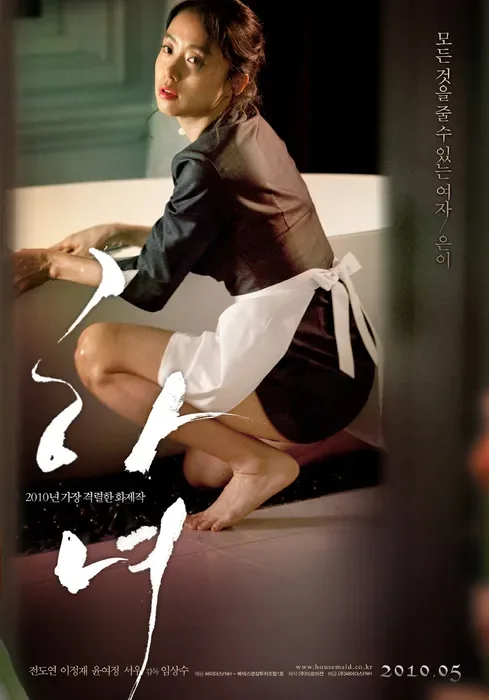
South Korean cinema has long mastered the art of holding a mirror to societal ills, often with a thrillingly dark and unflinching gaze. Im Sang-soo’s 2010 erotic psychological thriller, The Housemaid, is a potent example, a film that doesn’t just entertain but lacerates, exposing the grotesque underbelly of extreme wealth and the corrosive power dynamics it fosters. Released on May 13, 2010, this remake of Kim Ki-young’s 1960 classic plunges viewers into a world of opulent surfaces and decaying morality, proving that some stories are timeless in their ability to provoke and disturb.
The Golden Cage and Its Venomous Inhabitants
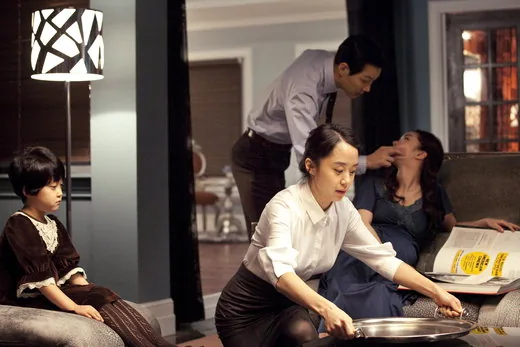
The film introduces us to Eun-yi (Jeon Do-yeon), a young woman seeking a fresh start after a personal tragedy, who finds herself drawn into the lavish, seemingly perfect world of the Goh family. She is hired as a housemaid and au pair for Hae-ra (Seo Woo), who is pregnant with twins, and her wealthy, self-absorbed husband, Hoon (Lee Jung-jae). Their young daughter, Nami (Ahn Seo-hyun), provides a fleeting glimpse of innocence within the palatial, unsettling abode. Overseeing this domestic kingdom is Byeong-sik (Youn Yuh-jung), the long-serving, watchful head housemaid, whose seemingly benign presence belies a sharp understanding of the household’s dark secrets. The initial setup is deceptively simple: a new face in a privileged environment, but the tension is palpable from the outset. Director Im Sang-soo deftly establishes the immense class disparity, a central theme he aimed to highlight, departing from the original film’s focus on the middle class.
Eun-yi’s arrival quickly disrupts the fragile equilibrium of the household. Hoon, accustomed to taking what he desires without consequence, initiates a secret sexual relationship with Eun-yi, exploiting her vulnerable position. This transgression sets off a chain of events that spirals into a chilling battle of wills, particularly as the women of the family—Hae-ra, her domineering mother (Park Ji-young), and even the seemingly loyal Byeong-sik—begin to plot against Eun-yi. The film showcases how the immense power and warped sense of entitlement held by the wealthy allow them to manipulate and victimize those beneath them, highlighting a scathing critique of the South Korean elite.
A Masterclass in Psychological Tension
The Housemaid is a visceral erotic psychological thriller, a genre it embraces with audacious confidence. Director Im Sang-soo, known for his provocative and daring filmmaking, orchestrates a narrative that is less about jump scares and more about the slow, suffocating build of dread. The film’s critical reception often lauded its ability to maintain this gripping suspense, even if some found its ending wildly over-the-top. The performances are the engine of this tension, particularly from its lead actresses. Jeon Do-yeon delivers a performance that critics praised for its depth, portraying Eun-yi with a fragile beauty that gradually hardens into defiant resolve. Her ability to convey Eun-yi’s emotional turmoil and psychological layers earned significant acclaim.
Youn Yuh-jung, as the observant and morally ambiguous Byeong-sik, is nothing short of captivating. Her nuanced portrayal earned her multiple Best Supporting Actress awards, including at the Daejong Film Awards and Blue Dragon Film Awards. Byeong-sik is initially stern but becomes increasingly sympathetic as she endures the family’s cruelties, her presence a chilling counterpoint to the family’s unchecked depravity. Lee Jung-jae as Hoon embodies the imperious and manipulative patriarch with cold precision, further cementing the film’s exploration of power. While some critics noted that Seo Woo’s performance as Hae-ra occasionally showed her youth, she largely held her own against her seasoned co-stars. The film successfully uses its cast to explore themes of sexuality and mores, a recurring motif in Im Sang-soo’s work.
Visual Splendor and Moral Decay
Beyond its gripping narrative and stellar performances, The Housemaid is a feast for the eyes, albeit a disturbing one. The film’s cinematography, helmed by Lee Hyung-deok, is consistently praised for its cool elegance and sinuous visual movements. The mansion itself is a character: a monument to extravagant wealth, designed with a lavishness that is almost comedic in its ostentatiousness. Critics noted the stunningly sumptuous production design, making it the most expensive set in Korean film history at the time. The opulent interiors, with their ravishing color contrasts and imposing architecture, reflect the calculating and unforgiving nature of the family within. Spiral staircases and dark corridors transform the mansion into a fitting setting for the Hitchcock-like tragedies that unfold. The visual splendor serves to amplify the moral decay, creating a stark contrast that is both entrancing and disgusting.
Despite its luxurious facade, the film critiques the emptiness and superficiality of the rich, demonstrating how their wealth insulates them from the consequences of their actions. The film’s score by Kim Hong-jib also received recognition, winning Best Music at the Critics Choice Awards. This blend of visual artistry and thematic depth ensures that The Housemaid is not merely a sensational thriller but a pointed piece of social commentary.
A Chilling, Unforgettable Verdict
The Housemaid is a film that demands to be seen by anyone with an appreciation for bold, uncompromising cinema. It’s a dark, unsettling journey into the heart of human depravity, disguised by shimmering surfaces and seductive whispers. While some may find its ending jarringly surreal or overly melodramatic, it is precisely this audaciousness that cements its impact. Im Sang-soo doesn’t offer easy answers; instead, he presents a chilling indictment of class and power, leaving the viewer to grapple with the uncomfortable truths revealed. The film’s domestic box office performance, with over 2.2 million admissions and a total revenue of over $14 million, underscores its resonance with audiences. More than a simple remake, it’s a modern reinterpretation that leverages contemporary attitudes and rage, proving that the struggle for dignity against overwhelming power remains a compelling and terrifying narrative. It’s a challenging watch, but its unforgettable performances, particularly from Jeon Do-yeon and Youn Yuh-jung, and its stunning visual storytelling make The Housemaid a significant and essential piece of Korean cinema. It lingers long after the credits roll, a testament to its sharp critique and its unsettling beauty.


